







Are electric Wranglers the way of the future?
The automotive industry is undergoing a significant transformation, with electric vehicles (EVs) becoming increasingly popular. Among these, electric Jeeps have emerged as a noteworthy development, challenging the long-standing dominance of gas-powered models. This article explores the key differences, advantages, and potential drawbacks of the gas and the electric Jeep Wranglers to help potential buyers make informed decisions.
Let’s dive in.
Performance and Power of the Gas and Electric Jeep Wranglers
Electric Jeeps: Electric Jeeps, such as the Jeep Wrangler 4xe, offer instant torque, resulting in impressive acceleration and smooth power delivery. Electric motors can produce maximum torque from a standstill, which is advantageous for different tasks like off-roading and quick accelerations. Additionally, the lack of a traditional gearbox can make for a more seamless driving experience.
Gas Jeeps: Gas-powered Jeeps, such as the classic Jeep Wrangler, are known for their robust engines and proven performance in off-road conditions. These vehicles offer a familiar driving experience with a wide range of power outputs, from efficient four-cylinder engines to powerful V8s to really put some power behind each push of the pedal. However, they typically have lower torque at low RPMs compared to electric models.
Environmental Impact in Gas and Electric Jeeps
Environmental impact has been a downfall of the Jeep Wranglers since they were invented. While the environmental impact of a Jeep Wrangler has been significantly reduced over the years, it is still worth looking at the impact of Electric and Gas Wranglers.
Electric Jeeps: One of the primary advantages of electric Jeeps is their reduced environmental impact. EVs produce zero tailpipe emissions, helping to reduce air pollution and greenhouse gas emissions. Additionally, as the electricity grid becomes greener, the overall carbon footprint of electric Jeeps is expected to decrease further.
Gas Jeeps: Gas-powered Jeeps emit carbon dioxide and other pollutants, contributing to air pollution and climate change. While advancements in engine technology and emission controls have improved their environmental performance, they still lag behind electric vehicles in terms of sustainability.
Range and Refueling
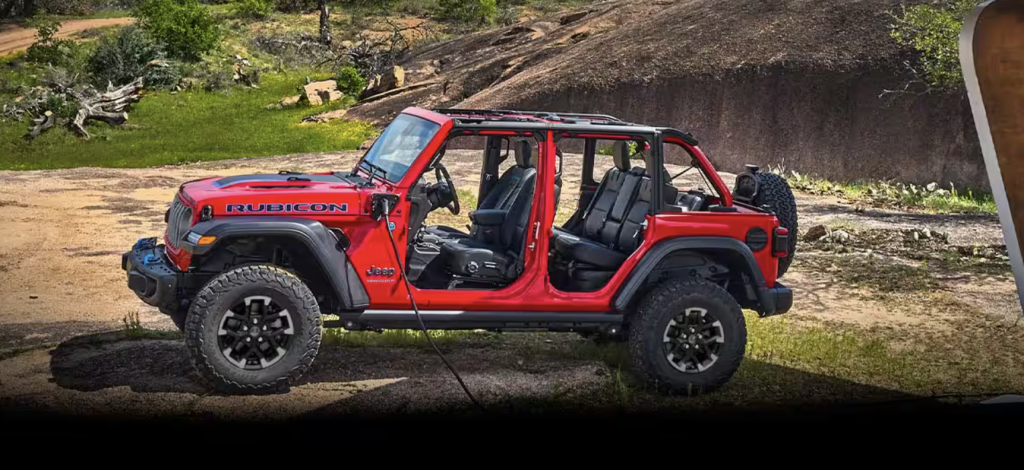
Jeeps are often known as gas guzzlers, with many people joking about the low amount of miles per gallon that you get.
Electric Jeeps: Range anxiety is a common concern with electric vehicles, people think that electric vehicles will die quickly, but this is not necessarily the case. Electric Jeeps can typically offer a range of 200-300 miles on a full charge, which can be sufficient for daily commuting but may require careful planning for longer trips.
Charging infrastructure is expanding, but recharging an electric Jeep can take anywhere from 30 minutes at a fast-charging station to several hours with a home charger!
Gas Jeeps: Gas-powered Jeeps excel in terms of refueling convenience. With a typical range of 300-400 miles on a full tank and the widespread availability of gas stations, these vehicles are ideal for long road trips and remote off-road adventures. Refueling takes only a few minutes, providing a significant advantage over electric models in this regard.
Aren’t Jeep Wranglers Overpriced?
One main thing that holds people back from buying Jeep Wranglers is the price. Now, Jeep Wranglers are vehicles that offer more customization/capabilities than other vehicles, and they certainly hold their value, so what is the cost of ownership with gas and electric Jeep Wranglers?
Electric Jeeps: While electric Jeeps often have a higher upfront cost, they can be more economical in the long run. Lower fuel costs, reduced maintenance expenses (due to fewer moving parts), and potential tax incentives can offset the initial investment. Additionally, the cost of electricity is generally lower and more stable than gasoline prices.
Gas Jeeps: Gas-powered Jeeps usually have a lower purchase price compared to their electric counterparts. However, higher fuel costs and more frequent maintenance (oil changes, engine repairs) can increase the total cost of ownership over time. Despite this, the established resale market for gas vehicles can sometimes make them a financially viable option.
Off-Road Capability in Electric and Gas Jeep Wranglers
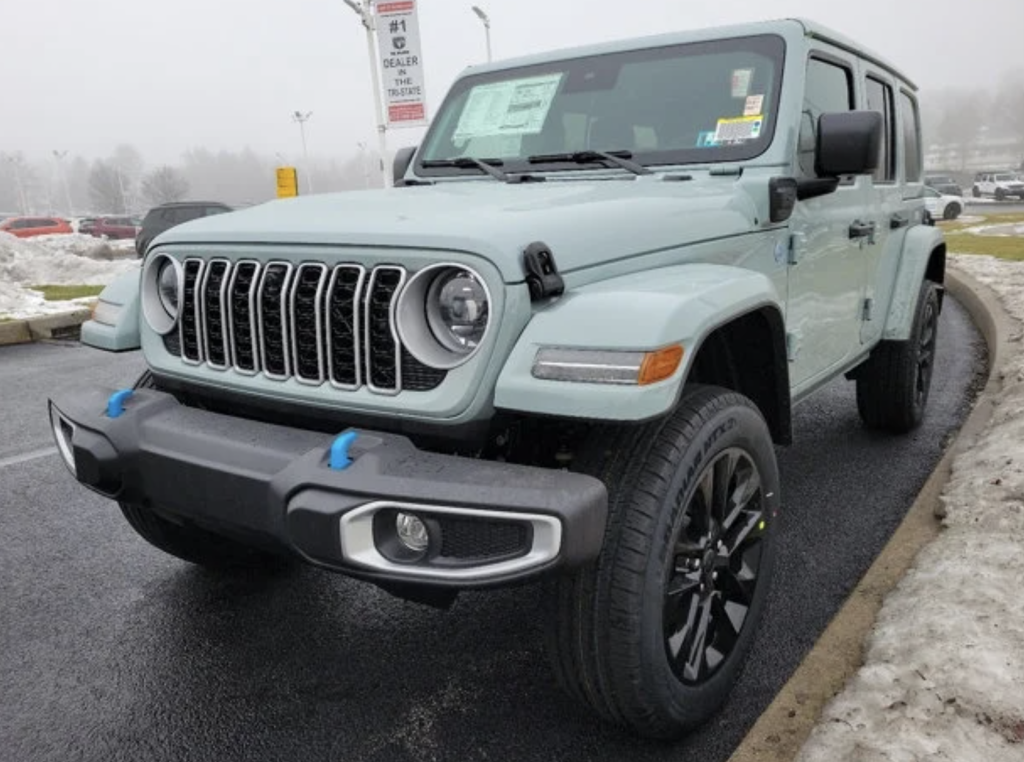
Perhaps the most popular use of a Jeep Wrangler is the off-road capabilities. Wranglers are known for hitting the trails, but do electric Jeeps offer the same off-road capabilities as gas powered options?
Electric Jeeps: Electric Jeeps offer impressive off-road capabilities thanks to their instant torque and low center of gravity, which enhances stability on rough terrain. Models like the Wrangler 4xe come with advanced off-road features and multiple driving modes tailored for various conditions. However, the weight of the battery pack can sometimes be a drawback in extreme off-road situations.
Gas Jeeps: Gas-powered Jeeps have a long history of off-road prowess, with a wide array of aftermarket modifications available to enhance their performance. The lighter weight compared to electric models can be advantageous in some off-road scenarios. Additionally, the ease of refueling in remote areas makes gas Jeeps a reliable choice for extended off-road adventures.
Customization of Electric and Gas Jeeps Wranglers
One concern is that you won’t be able to customize electric Jeep Wranglers with things like lift kits, bigger wheels and tires, and so on. However, this is not true at all, and you can put a lift kit on an electric Jeep Wrangler, such as the 2021 Jeep Wrangler 4xe plug-in hybrid.
Lift kits can be purchased, installed, and actually improve off-roading by increasing ground clearance and stability. Jeep offers factory lift kits for the Wrangler and Gladiator that are covered by the factory warranty, but the after market options may not be covered by warranty.
Where to Buy a Jeep Wrangler
When it comes to buying a Jeep Wrangler, there is no better place than Jeff D’Ambrosio’s Chrysler Dodge Jeep and Ram. There is a wide selection of Jeep Wranglers- both gas and electric, available for you.
With low credit, or high credit, stop in and see what’s in store!
Conclusion
The choice between an electric and a gas Jeep ultimately depends on individual preferences and driving needs. Electric Jeeps are ideal for environmentally conscious drivers who prioritize low emissions and modern driving technology. They offer a smooth, powerful driving experience with lower long-term costs and a growing charging infrastructure. On the other hand, gas-powered Jeeps are well-suited for those who value tried-and-true performance, long-range capabilities, and the convenience of quick refueling.
As the automotive industry continues to innovate, the gap between electric and gas Jeeps is likely to narrow, offering consumers more choices and better performance in both categories. Whether you opt for the cutting-edge technology of an electric Jeep or the rugged reliability of a gas-powered model, Jeep’s legacy of adventure and capability remains at the heart of every vehicle.
Check out Jeff D’Ambrosio’s inventory and see what piques your interest. You can even have your car shipped right to your door!
Also, be sure to check out Jeff D’Ambrosio’s Youtube and Facebook!
Connect with us


