





Which is the Better Mid-Size Jeep
When comparing the Jeep Compass vs. the Jeep Cherokee, it’s important to recognize that while they share some similarities as part of Jeep’s infamous lineup, they are designed to cater to different types of drivers and needs. Both vehicles offer a blend of on-road comfort and off-road capability, but they differ in size, performance, features, and pricing.
That being said, we are going to breakdown the similarities and differences between the Jeep Compass and the Cherokee to help you make an informed decision.
Directly Comparing the Compass vs. Cherokee
Size and Design
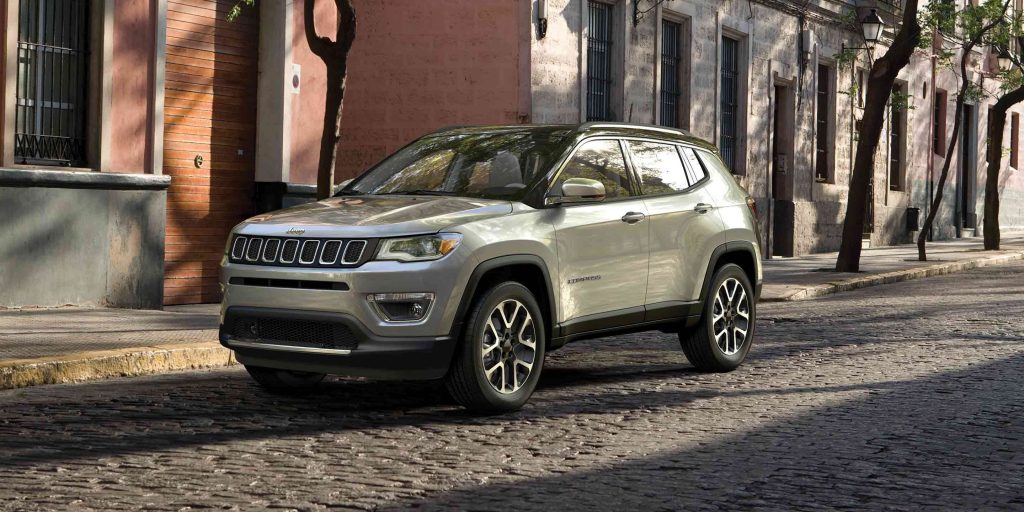
Jeep Compass: The Compass is a compact SUV, making it more maneuverable and easier to handle in urban environments. It has a stylish, modern design with a sleek profile that looks almost like a downsized Grand Cherokee, yet it still retains Jeep’s rugged aesthetic with features like the unmistakable seven-slot grille. The Compass is ideal for drivers who want a smaller vehicle that still offers SUV versatility.
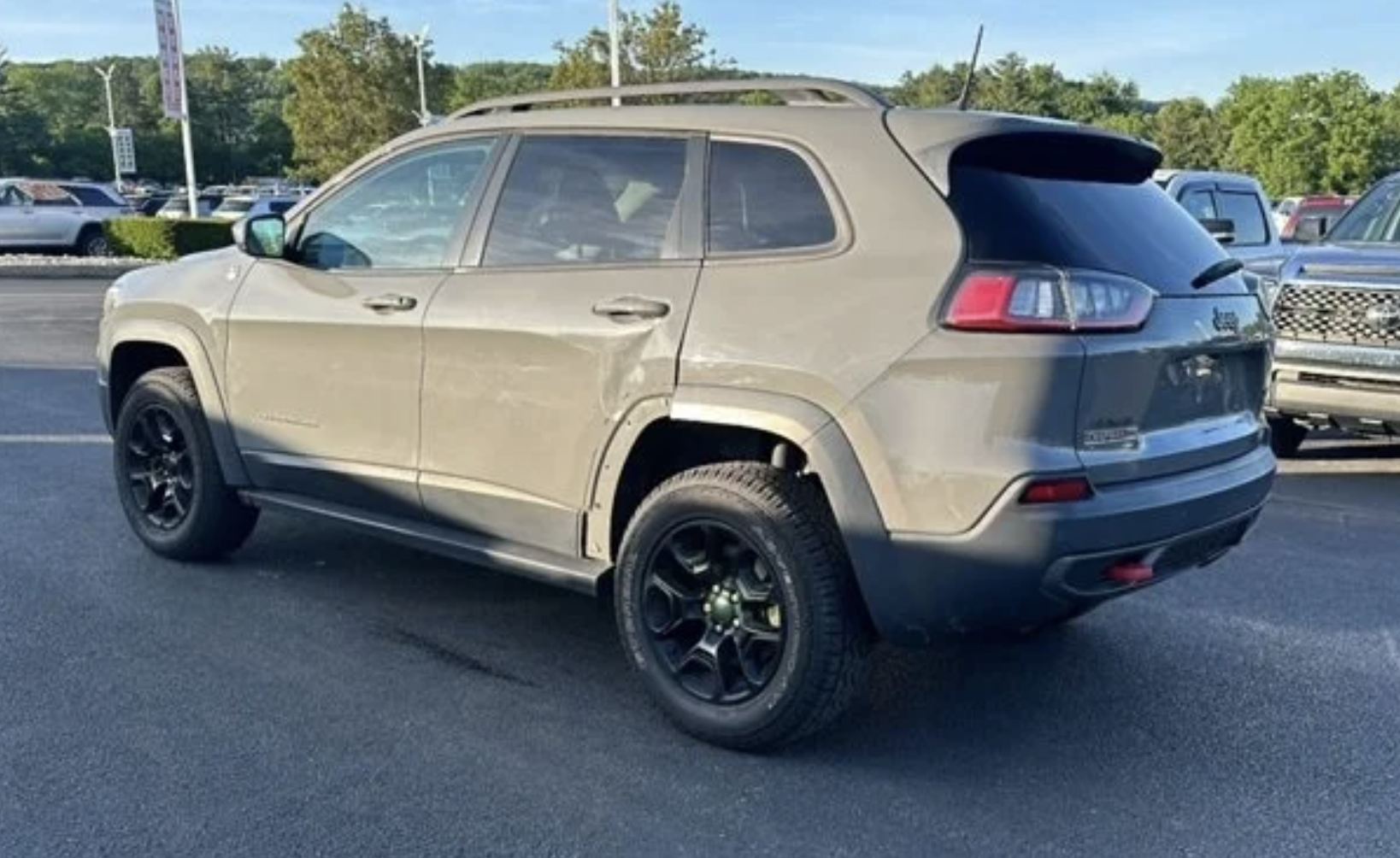
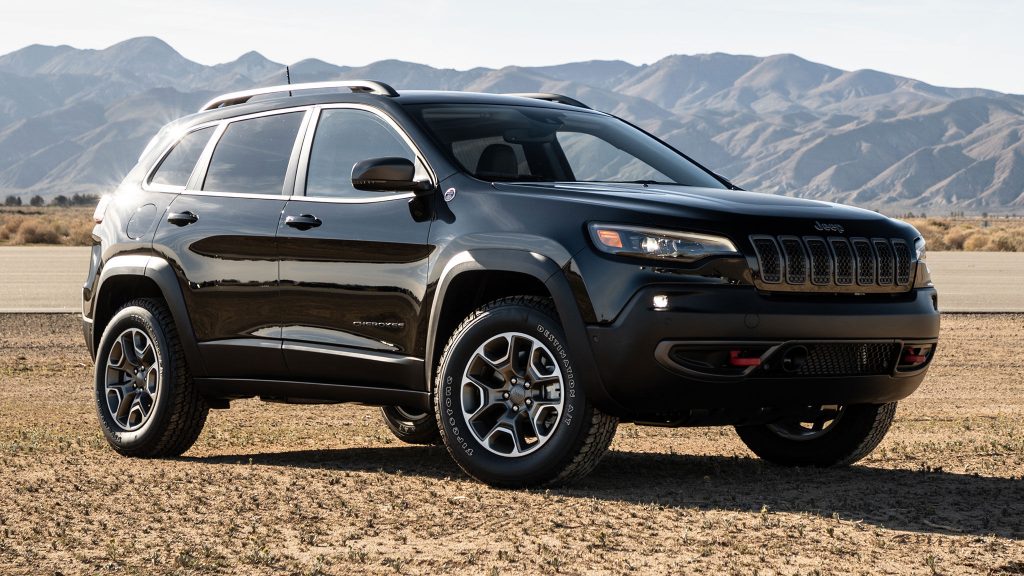
Jeep Cherokee: The Cherokee is a midsize SUV, offering more interior space and a more substantial presence on the road. It has a more traditional SUV look, with a muscular design and a wider stance. The Cherokee’s larger size provides more room for passengers and cargo, making it a better option for families or those who need more space.
Performance
Jeep Compass: The Compass comes with a standard 2.0-liter four-cylinder engine, producing 200 horsepower and 221 lb-ft of torque. It offers a balance of efficiency and performance, with the option of front-wheel drive or Jeep’s advanced 4×4 systems. The Compass is well-suited for daily driving and light off-roading, making it a versatile choice for those who want an SUV that can handle a variety of conditions.
Jeep Cherokee: The Cherokee offers more powerful engine options, including a standard 2.4-liter four-cylinder engine, a 2.0-liter turbocharged four-cylinder engine, and an available 3.2-liter V6 engine. Though it is not a Trackhawk or Hellcat engine, the V6 produces 271 horsepower and 239 lb-ft of torque, providing strong acceleration and enhanced towing capacity. The Cherokee is designed for those who need (or want) more power and capability, particularly for off-road adventures and towing.
Interior and Technology
Jeep Compass: Inside the Compass, you’ll find a well-designed cabin with comfortable seating and user-friendly technology. The Uconnect 5 system comes standard, featuring an 8.4-inch touchscreen, Apple CarPlay, Android Auto, and available navigation. The Compass offers a comfortable ride for passengers and enough cargo space for most needs, though it’s more compact compared to the Cherokee.
Jeep Cherokee: The Cherokee’s interior is more spacious, offering more legroom and cargo capacity. The materials and build quality in the Cherokee are a step up from the Compass, especially in higher trims. It also features the Uconnect 5 system, with screen sizes ranging up to 10.1 inches in the top trims, along with advanced driver-assistance features like adaptive cruise control and lane-keeping assist.
Off-Road Capability
Jeep Compass: The Compass is capable off-road, particularly in the Trailhawk trim, which includes features like increased ground clearance, skid plates, and Jeep’s Active Drive Low 4×4 system. It’s a solid choice for light to moderate off-roading, offering good all-around capability for a compact SUV.
Jeep Cherokee: The Cherokee excels in off-road performance, particularly with the Trailhawk model, which is equipped with Jeep’s most advanced off-road features. These include Jeep Active Drive Lock, which adds a rear locker for extreme terrain, as well as all-terrain tires, skid plates, and enhanced suspension. The Cherokee is better suited for drivers who plan to tackle more challenging off-road conditions.
Pricing
Jeep Compass: The Compass is generally more affordable than the Cherokee, with a lower starting price. This makes it an attractive option for buyers who want the Jeep brand without breaking the bank. The lower price doesn’t mean sacrificing key features, but it does reflect the Compass’s positioning as a more entry-level SUV.
Jeep Cherokee: The Cherokee has a higher starting price, reflecting its larger size, more powerful engine options, and greater capabilities. For those who need a more robust SUV with advanced features and off-road prowess, the Cherokee’s higher price may be justified.
Where to Buy Jeep Compasses and Cherokees
When it comes to buying a Jeep Compass or a Jeep Cherokee, there is no better place to go than Jeff D’Ambrosio Auto Group of Downingtown. With plenty of inventory, both new and used, and plenty of great leasing and financing options, you cannot go wrong with choosing Jeff D’Ambrosio.
Compass vs. Cherokee Conclusion
The Jeep Compass and Jeep Cherokee both offer a blend of on-road comfort and off-road capability, but they serve different purposes. When it comes to the Compass vs. Cherokee, the Compass is a compact, versatile SUV that’s well-suited for city driving and light off-roading, making it an excellent choice for those who want an affordable, stylish vehicle. The Cherokee, on the other hand, is a midsize SUV with more power, space, and off-road capability, ideal for those who need a more capable and spacious vehicle for family trips or outdoor adventures.
Choosing between the two depends on your specific needs—whether you prioritize affordability and urban maneuverability or need more space, power, and off-road capability.
Give our team at Jeff D’Ambrosio Dodge, Chrysler, Jeep, RAM a call and find the right Dodge vehicle for you!
Also, be sure to check out Jeff D’Ambrosio’s Youtube and Facebook!
Connect with us


