



Jeff D'Ambrosio Chrysler Jeep Dodge

Blog / Car Maintenance

Conquering the Chill: Winter Car Maintenance Must-Haves

Winter-Ready Car Maintenance

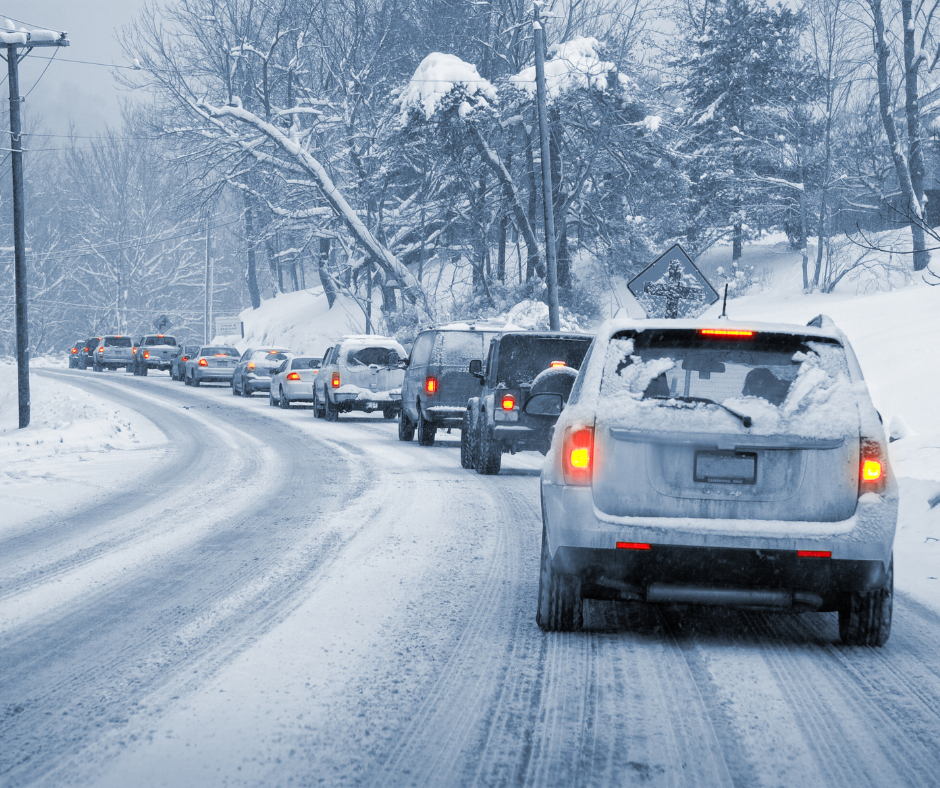
As winter deepens its grip, it's time to ensure our cars and trucks are ready for their annual winter-ready maintenance routines to weather the rest of the season. Let’s review some helpful winter maintenance tips to keep our rides running smoothly.

Prepare Your Wiper Fluid for Winter

Swap your regular wiper fluid for a winterized blend during the winter months that won't freeze in sub-zero temperatures. This ensures clear vision during snowstorms and sleet. Although winter wiper fluid is slightly more expensive, this blend resists freezing, ensuring clear vision during snowstorms.

Wisdom in Defrosting: A Key Step in Winter-Ready Maintenance

Don't rely solely on your car's defrost system, especially when starting with a heavily iced windshield. Use an ice scraper with rubber edges to avoid scratching your windshield with a de-icer spray. Depending on your area’s specific weather and temperature conditions, there are several types of scrapers to choose from: a classic rectangle, ice chipper, combo scraper/brush, and a mitt/glove scraper. Other options include a telescoping handle to reach windshields and the tops of cars; a squeegee edge to remove leftover slush and water; and a built-in de-icer dispenser.

However, avoid applying de-icer directly to thick ice. Instead, begin scraping away large, manageable chunks of ice and snow. Focus on clearing your windshields to ensure you have visibility. Once you've removed the main bulk of ice, identify the remaining areas with thin and stubborn ice patches. Spray a small amount directly onto the ice rather than the whole windshield.

Embrace the Shovel and Brush for Snow Clearing

Keep a sturdy snow shovel and snow brush easily accessible in your car. Clear away all snow from your vehicle, including the roof, hood, and headlights, before driving. In some states including Pennsylvania, the law requires motorists to remove as much snow as possible to avoid snow flying off while driving.

Combat Salt Spray: A Crucial Element of Winter-Ready Maintenance

While road salt is necessary, it can be corrosive and damaging to your car's undercarriage and paintwork. A key part of winter-ready maintenance is to be ready to hit the car wash or have the necessary car-washing materials at home. Regularly wash your car to remove salt, paying extra attention to the wheel wells and under body. Consider a touch-less car wash to avoid scratches.

Power Boost: Prioritize Your Battery for Winter

The frigid cold weather snaps can zap your battery's power, especially If your battery is nearing its end-of-life. As part of your winter-ready maintenance checklist, If your battery hasn't been changed in the last three to five years (depending on how much you drive), consider replacing it prior to the next storm. Or, if you’re unsure of your battery’s condition or age, consider getting it tested to ensure it's ready for the rest of the winter season.

Tire Pressure Check: A Vital Component

As part of your winter-ready maintenance routine, be sure to regularly check and adjust your tire pressure according to the manufacturer's recommendation, including the spare tire. Most passenger cars will recommend 32 to 35 pound-force per square inch (PSI) in the tires when during the coldest months. Generally, you can find the PSI per your car on a sticker inside the driver’s door jamb or in your car owner’s manual. Proper inflation improves handling and fuel efficiency especially in the winter weather.

Essential Winter Gear: Elevating Your Winter-Ready Maintenance

Lastly, a critical step is to keep an emergency kit in your car stocked with blankets, jumper cables, a flashlight, non-perishable snacks, water, and a first-aid kit. Also consider keeping a small bag of sand or cat litter to put down under your tires if you get stuck in the snow. If you’re heading out during the bitter cold and there’s an anticipated snow storm on the rise, be sure to fill up your gas tank as well to keep your heat on and engine running to stay warm in the event you get stuck due to inclement weather or road closures.

During extreme winter weather events, stay informed about road closures and advisories. If possible, avoid driving unless absolutely necessary. Remember, your safety is paramount!

Need advice or assistance checking your battery, windshield wipers, or tire pressure? At Jeff D'Ambrosio Service Center at Destination Downingtown, our technicians are here to help! Visit our website to inquire more about our services or to schedule a service appointment.
Posted in:

Related Posts

MRSM_000316_Mopar2011

Jeep Oil Change Intervals

What Every Owner Should Know If you drive a Jeep, whether that be a Wrangler or something more family-friendly like a Grand Cherokee, you expect strength, durability, and capability every time you turn the key. Whether you're commuting through Chester County or heading off-road for the weekend, routine maintenance on any Jeep Model is the key to keeping your vehicle performing at its best. One of the most important services? Regular oil changes. At Jeff D’Ambrosio CDJR of Downingtown, we help Jeep owners protect their investment with factory-recommended maintenance and expert service. Here’s what every Jeep owner should know about oil change intervals. Why Oil Changes Matter for Your Jeep Engine oil does more than just lubricate moving parts. It: Reduces friction and wear Helps regulate engine temperature Prevents sludge buildup Improves fuel efficiency Extends engine life Over time, oil breaks down and becomes contaminated. Skipping oil changes can lead to decreased performance and costly repairs — especially in high-performance or off-road vehicles like the Jeep Wrangler and Jeep Grand Cherokee. How Often Should You Change Your Jeep’s Oil? Oil change intervals can vary depending on your specific Jeep model, engine type, and driving habits. General Jeep Oil Change Guidelines: Conventional Oil: Every 3,000–5,000 miles Synthetic Oil: Every 7,500–10,000 miles Most modern Jeep models use synthetic oil and are equipped with an oil life monitoring system that alerts you when service is due. Vehicles like the Jeep Gladiator and Jeep Compass are engineered for longer intervals when properly maintained. Driving Conditions That May Require More Frequent Oil Changes You may need more frequent service if you: Frequently tow or haul heavy loads Drive in stop-and-go traffic Take short trips where the engine doesn’t fully warm up Drive in extreme heat or cold Use your Jeep for off-road adventures Jeep vehicles are built for tough conditions, but even the legendary Jeep Wrangler Rubicon benefits from consistent maintenance. Signs Your Jeep May Need an Oil Change Even if you haven’t hit your mileage interval yet, watch for these signs: Engine oil warning light Dark or dirty oil on the dipstick Engine knocking or ticking sounds Reduced fuel efficiency Burning oil smell If you notice any of these, scheduling service promptly can prevent larger issues. Why Choose Jeff D’Ambrosio CDJR for Your Jeep Oil Change? When it comes to servicing your Jeep, experience matters. At Jeff D’Ambrosio CDJR of Downingtown, our factory-trained technicians: Use genuine Mopar® parts and approved oils Follow manufacturer-recommended maintenance schedules Perform multi-point inspections with every oil change Help maintain your vehicle warranty We proudly serve drivers throughout Downingtown, West Chester, Exton, and the Main Line with fast, professional Jeep service. Protect Your Investment with Routine Maintenance Regular oil changes are one of the simplest and most cost-effective ways to keep your Jeep running strong for years to come. Whether you drive a Wrangler, Grand Cherokee, Gladiator, or Compass, staying on schedule ensures you get the performance and reliability Jeep is known for. If it’s time for your next oil change, trust the service team at Jeff D’Ambrosio CDJR of Downingtown — where Jeep drivers throughout Chester County go for expert care and exceptional customer service. Schedule your Jeep oil change today and keep your adventure going. Also, be sure to check out Jeff D’Ambrosio’s Youtube and Facebook!

jeep grand cherokee

Grand Cherokee L vs. Grand Cherokee

Which SUV is Right for You? When it comes to choosing an SUV, the Jeep Grand Cherokee stands out as one of the top options of 2025. Affordable, stylish, and it drives well. However, once you get to the dealership your faced with another choice, the Grand Cherokee vs. the Grand Cherokee L. The Grand Cherokee L brings extra space, versatility, and comfort to Jeep’s most awarded SUV lineup. But how does it compare to the standard Grand Cherokee? Both deliver legendary Jeep capability and upscale design—but they’re built for slightly different lifestyles. Our team at Jeff D'Ambrosio Auto Group is providing a full breakdown to help you decide which model is right for you. 1. Three Rows of Comfort vs. Two Rows The biggest difference between the two SUVs is seating capacity. Grand Cherokee L: Three rows, available for 6 or 7 passengers. Grand Cherokee: Two rows, seats up to 5 passengers. The Grand Cherokee L’s third row makes it ideal for growing families or anyone who needs more flexibility. Even with all seats up, there’s generous legroom across all rows, plus an available second-row captain’s chair option for added comfort. On the flip side, the standard Grand Cherokee offers two rows, but five seats, which can still be plenty of room for a family whether you are running to the grocery store or you are taking a road trip! Why It Matters: If you regularly drive with family, friends, or need to fit child seats or carpool passengers, the Grand Cherokee L gives you the space you’ll appreciate every day. 2. Grand Cherokee vs. Grand Cherokee L: Dimensions and Design The Grand Cherokee L is noticeably longer—about 11 inches longer than the standard Grand Cherokee. That added length stretches the wheelbase for smoother highway handling and more interior room. Grand Cherokee L Length: ~204.9 inches Grand Cherokee Length: ~193.5 inches While both share the same width and design cues, the Grand Cherokee L looks more refined and commanding on the road. However, if you are someone who needs to park in tight spaces like a garage, then you may not want that extra space that the Grand Cherokee L brings, and instead may want to go with the standard Grand Cherokee. Why It Matters: Drivers who want a full-size look and a confident presence will love the proportions of the Grand Cherokee L. If you prefer something more agile and city-friendly, the standard Grand Cherokee may be a better fit. 3. Grand Cherokee L Cargo Space and Versatility Whether it’s luggage, sports gear, or groceries, the Grand Cherokee L delivers more cargo flexibility, that is undeniable. Behind 3rd Row: 17.2 cu. ft. Behind 2nd Row: 46.9 cu. ft. Maximum Capacity: 84.6 cu. ft. The two-row Grand Cherokee still offers generous space—about 37.7 cu. ft. behind the second row and up to 70.8 cu. ft. total—but the extra length in the L gives you more options for hauling and packing. Why It Matters: If road trips, camping, or family adventures are your norm, the Grand Cherokee L gives you the storage you need without sacrificing comfort. 4. Grand Cherokee L Performance and Capability Both the Grand Cherokee and Grand Cherokee L share similar engine options, including the proven 3.6L Pentastar® V6 producing around 293 horsepower. Available 4x4 systems and Jeep’s legendary off-road engineering mean either SUV can handle trails, snow, or towing duty, making either perfect for someone who experiences the four seasons, likes to stray away from the pavement, or is traveling. Fuel efficiency is nearly identical, though the Grand Cherokee L’s size may slightly lower its city mileage. Still, it offers confident highway performance and excellent ride stability. Why It Matters: If you want an SUV that’s just as capable off the road as it is on the highway, both models deliver. The Grand Cherokee L simply adds more space for passengers and cargo without compromising performance. Which Grand Cherokee Is Right for You? Choose the Grand Cherokee L if you: Need three rows and seating for up to seven. Want maximum cargo space and long-distance comfort. Prefer a premium, full-size feel. Choose the standard Grand Cherokee if you: Want a two-row SUV that’s easier to park and maneuver. Rarely need to carry more than five passengers. Prefer slightly better fuel economy and off-road agility. Test Drive Both at Jeff D’Ambrosio CDJR of Downingtown Whether you choose the two-row Grand Cherokee or the three-row Grand Cherokee L, you’ll enjoy Jeep’s signature mix of luxury, technology, and capability. Visit Jeff D’Ambrosio Chrysler Dodge Jeep Ram of Downingtown, PA to explore both models side-by-side. Our team can help you compare trims, find lease and finance offers, and choose the perfect Grand Cherokee SUV for your lifestyle. Grand Cherokee L vs. Grand Cherokee: Which Jeep SUV Fits You Best? The Grand Cherokee L brings extra space, versatility, and comfort to Jeep’s most awarded SUV lineup. But how does it compare to the standard Grand Cherokee? Both deliver legendary Jeep capability and upscale design—but they’re built for slightly different lifestyles. Here’s a full breakdown to help you decide which model is right for you, available now at Jeff D’Ambrosio Chrysler Dodge Jeep Ram of Downingtown, PA. Check out our Facebook for awesome deals.

2019 Ram 5500 Chassis Cab

The Return of the Hemi

Stellantis Executives are Giving the People What They Want For the last few years there has been much debate over the loss of the popular Hemi engine, the Hurricane engine filling in as its replacement, and of course, the electric vehicles that were not too popular with Dodge fans and have since been discontinued. Luckily, Tim Kuniskis came out of retirement in December 2024 to resume his role as CEO of Ram Trucks —a strategic move in part to address the Hemi V-8 controversy. But what does the future of these vehicles hold? Is the V-8 making a full blown comeback into the trucks and muscle cars? Are the EVs actually dead? The Jeff D'Ambrosio team is going to check it out. The Hurricane Engine The Stellantis Hurricane GME-T6 is a twin-turbocharged 3.0-liter inline-six first introduced in premium Jeep models and has now made its way into Ram and Dodge vehicles. Built with advanced engineering, it features a deep-skirt aluminum block, forged internals, twin low-inertia turbos, plasma-spray bore coating, high-pressure direct injection, and a dedicated charge-cooler circuit. It delivers up to 15 % better fuel efficiency than older, larger engines while still producing impressive performance. In the 2025 Ram 1500, the Hurricane comes in two configurations: Standard Output (SO): ~420 horsepower and 469 lb-ft of torque High Output (HO): ~540 horsepower and 521 lb-ft of torque What Is the Hemi V-8? The Hemi V-8 is one of the most famous American engines ever built, loved for its hemispherical combustion chamber design, classic muscle-car rumble, and raw performance. Unfortunately, it was discontinued for a short amount of time and its fans did not enjoy it! The Hemi lineup will include: 5.7 L Hemi: ~395 horsepower, 410 lb-ft of torque 6.4 L “Apache”/392: ~475 horsepower, 470 lb-ft of torque Supercharged 6.2 L Hellcat: ~700+ horsepower, ~650 lb-ft of torque Production of these engines will resume in August 2025, making them available in select 2026 Dodge and Ram models. Head-to-Head Engine Comparison Spec Hurricane SO (3.0 L I6) Hurricane HO (3.0 L I6) Hemi 5.7 L V-8 Hemi 6.4 L / Hellcat Horsepower ~420 ~540 ~395 ~475 / ~700+ Torque ~469 lb-ft ~521 lb-ft ~410 lb-ft ~470 / ~650 Fuel Economy (Highway) ~25 MPG ~21 MPG ~23 MPG Lower Towing Capacity (Ram 1500) ~11,550 lb ~10,740 lb ~12,750 lb Likely higher Engine Layout Inline-6, twin-turbo Inline-6, twin-turbo Naturally aspirated V-8 Naturally aspirated / Supercharged V-8 Driving Feel Smooth, modern, efficient Explosive, refined Classic muscle rumble Extreme performance & sound Key Takeaways: Even the base Hurricane surpasses the 5.7 L Hemi in both horsepower and torque. The High Output Hurricane nearly matches or exceeds the naturally aspirated 6.4 L Hemi while providing better fuel efficiency. The Hemi still edges out slightly in towing capacity and delivers that unmistakable V-8 sound that many enthusiasts prefer. The Return of the Hemi After initially planning to phase out the Hemi, Stellantis reversed course due to overwhelming customer demand. The Hemi V-8 will return for the 2026 Ram 1500, expected to account for 25–40 % of sales. The decision comes after record pre-orders—over 10,000 Ram 1500 trucks with the 5.7 L Hemi were reserved within the first 24 hours of announcement. The engine will also be featured in the 2026 Dodge Durango, which will now be V-8 only, offering the 5.7 L in the GT trim, the 6.4 L in the R/T, and the supercharged Hellcat V-8 in the SRT Hellcat model with Jailbreak personalization options. The Ram TRX is also anticipated to return, likely retaining the Hellcat’s supercharged V-8 instead of the Ram RHO with 6 cylinders; we hope to see it in the near future. Dodge has hinted that the Charger SixPack’s STLA Large platform could potentially accommodate a V-8 in the future. Dodge’s EV Charger Ambition and Setback Dodge introduced the all-electric Charger Daytona with bold claims, including the “Banshee” EV powertrain and Fratzonic Chambered Exhaust sound system to simulate muscle-car audio. The goal was to merge EV efficiency with Dodge’s performance DNA. However, sales were disappointing, with the Charger Daytona moving only a fraction of the units compared to previous gas-powered Charger sales. Consumer feedback showed that while the technology was interesting, many muscle-car buyers still wanted the sound, feel, and experience of a real combustion engine. In response, Dodge fast-tracked the gas-powered Charger SixPack, powered by the Hurricane I-6, to meet customer demand. Wrap Up Dodge and Ram are now offering the best of both worlds: Hurricane I-6 for those who want cutting-edge technology, excellent efficiency, and modern performance. Hemi V-8 for drivers who value tradition, sound, and raw muscle. The EV Charger may have stumbled, but the revival of the Hemi shows that Dodge understands its core audience—those who still want the roar of a real engine under the hood. Check out our Facebook for awesome deals.